the thinking person’s exercise
Established in 2002, Performance Pilates is Wellington’s Longest Running Studio.
Hi! Welcome to Performance Pilates!
Join us for classes whenever suits! We currently have spaces on Friday mornings at 9.30am, and a new class at 12pm on Tuesdays. Also other gaps! Book your initial 1:1 now to get started!
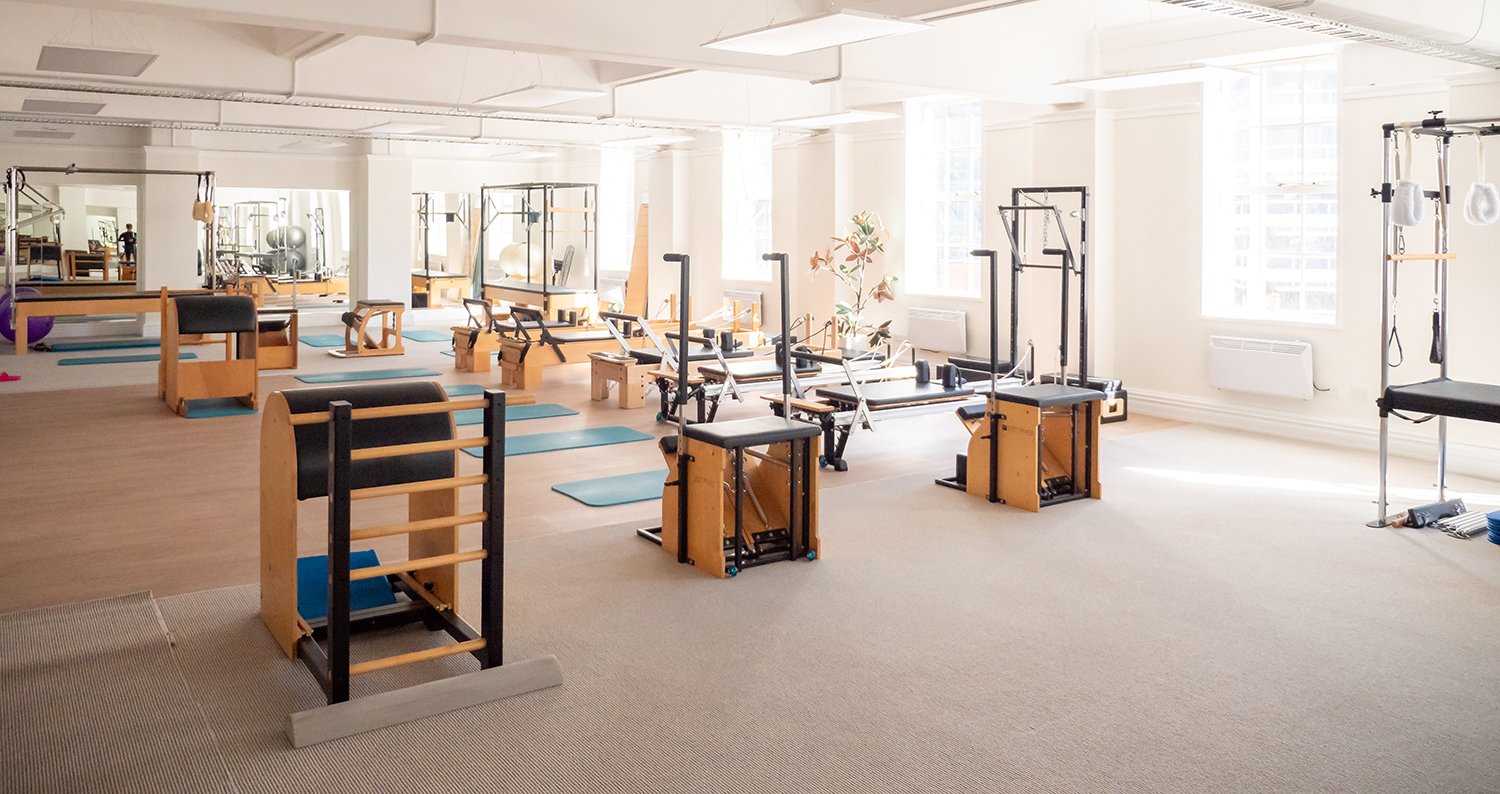
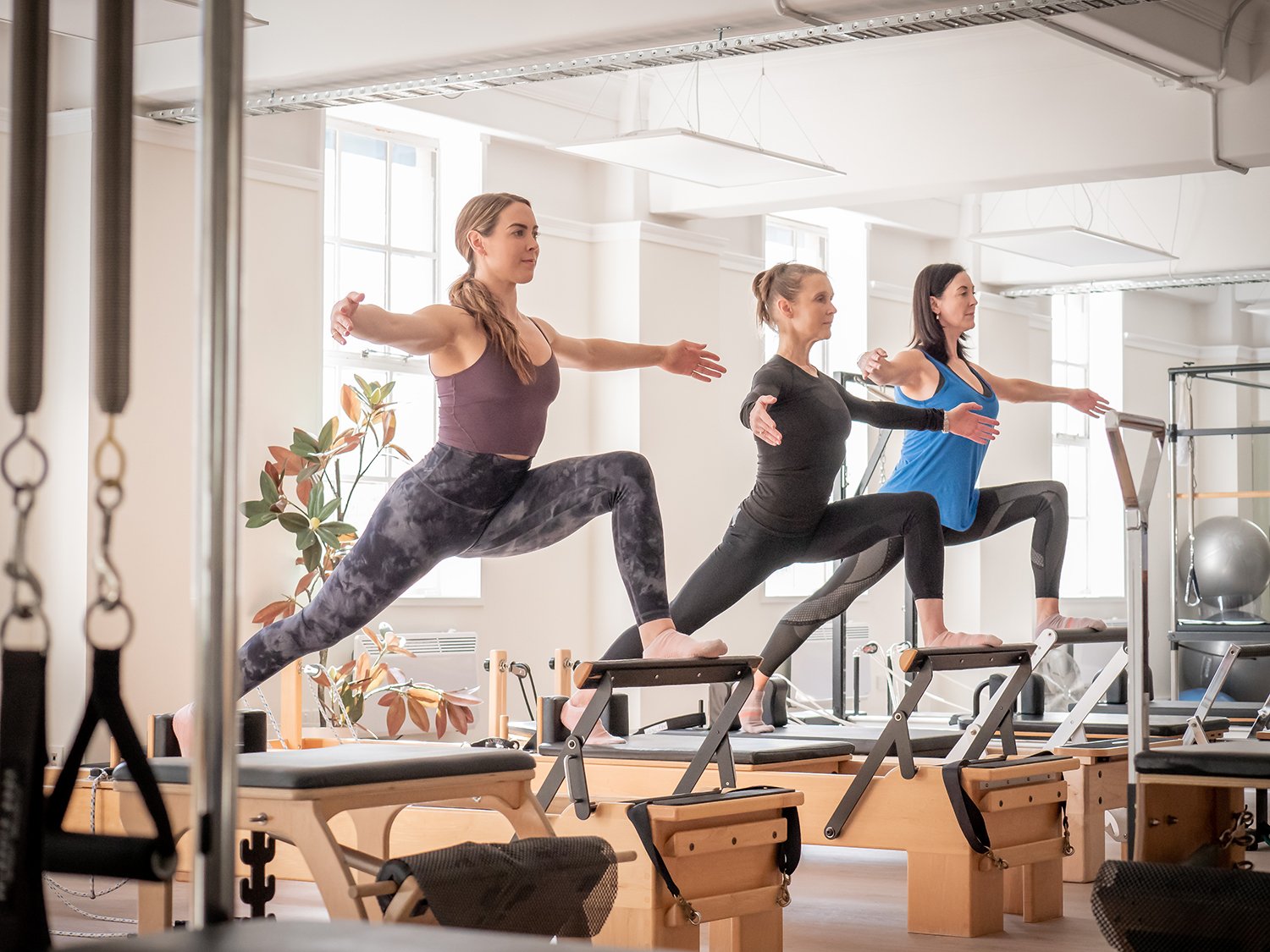
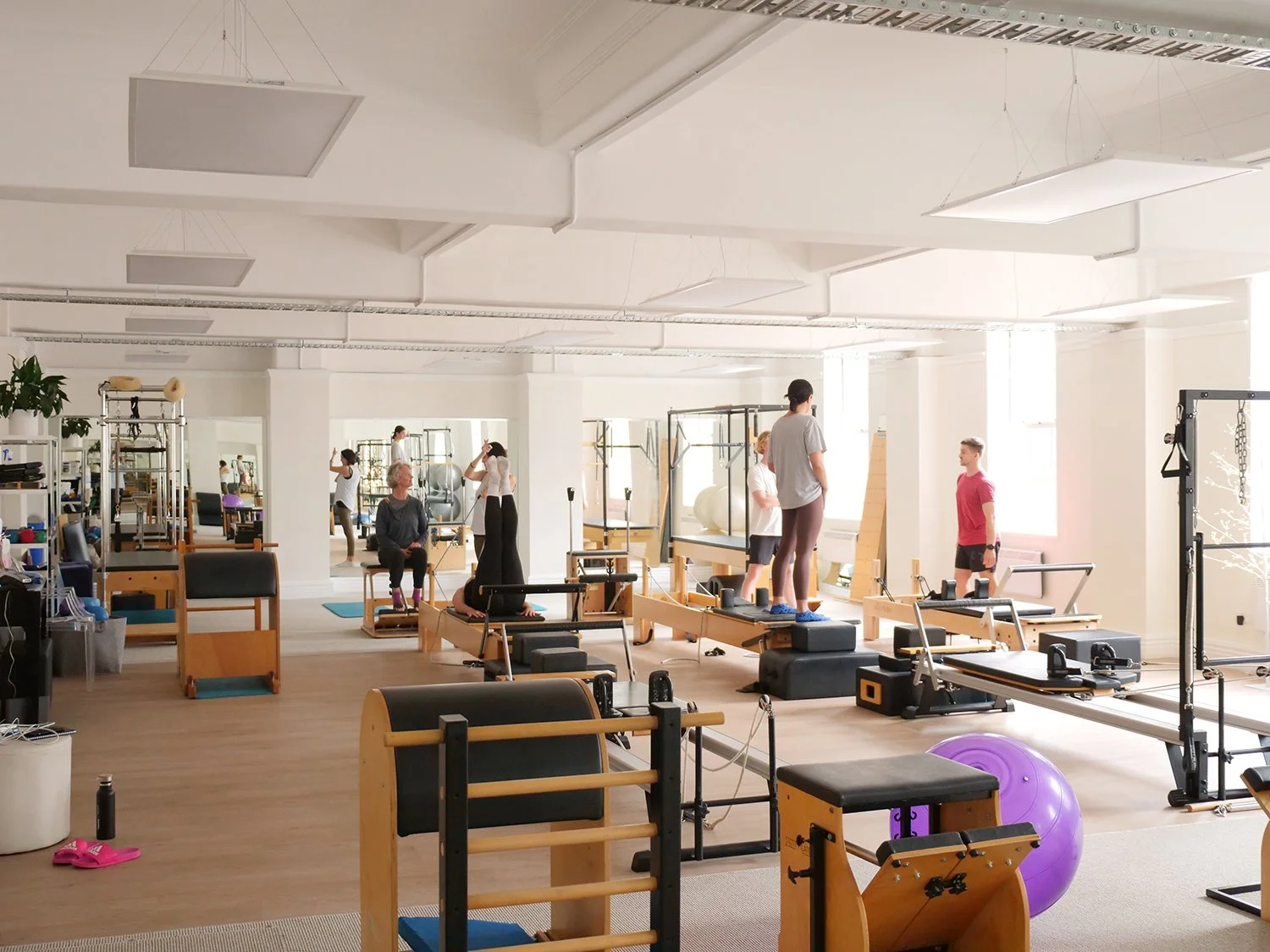
We provide expertly taught small group, mixed equipment classes and privates in our beautiful, welcoming and friendly boutique studio in central wellington.
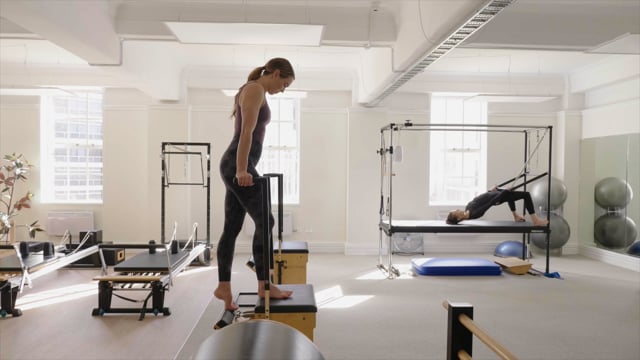
A large airy space with bright, natural lighting and a secluded and relaxed atmosphere, we provide guests with a sanctuary of wellbeing and escape from the stresses of everyday life. You’ll have the full attention and guidance of our Polestar Pilates trained teachers. We provide individual pilates workouts to suit your needs, whether it is goal specific or for general health.
“I’ve just finished a session with Ellena, and I’m feeling wonderfully extended and energised by it. Everything is tailored to my needs, and the various exercises are demonstrated and corrected to ensure perfect form. It’s all done like an individual session, yet delivered in the context of a small class. Fantastic…”
-ANNE, 2024
“I’ve never known my body better after doing pilates with ellena and her team at performance pilates”
- JENNY, 2022
“I always feel lighter and taller after a session there and I enjoy the company of the smaller groups and classes compared with larger providers.”
— KAREN, 2021
“Pilates isn’t just for women! Performance PIlates show you that it’s for men too!
- CLIVE 2023